Looking for a part of Mishawaka that feels connected, active, and easy to enjoy day to day? The Riverwalk stands out because it is more than a path along the St. Joseph River. It connects parks, downtown gathering spaces, events, and nearby housing options, which makes it a useful starting point if you are thinking about where to live in Mishawaka. Let’s dive in.
Why the Riverwalk stands out
The Mishawaka Riverwalk is a circular pedestrian and bicycle trail that runs along both sides of the St. Joseph River. It includes pedestrian bridges, signage, landscaping, lighting, quarter-mile markers, and a 5K path. The city presents it as one of the defining features of downtown Mishawaka, where the urban core and the riverfront come together.
For you as a buyer or seller, that matters because lifestyle often shapes housing decisions. A riverfront trail that connects public spaces can make an area feel more usable every day, not just on weekends. In Mishawaka, the Riverwalk helps tie together recreation, community events, and nearby neighborhoods.
Riverwalk lifestyle beyond exercise
If you picture the Riverwalk as just a place for a jog or bike ride, the full picture is broader. The downtown riverfront also includes seasonal events, social spaces, and public parks that give the area activity throughout the year. That mix is a big part of what makes this corridor appealing.
Several of Mishawaka’s best-known public spaces sit right along the Riverwalk. Beutter Park includes an ice ribbon, café, and event center. Central Park connects to the Riverwalk and adds a splash pad, playground, and fishing access at the dam, while Battell Park serves as a major event park with a historic bandshell.
Downtown activity adds another layer. The city hosts a seasonal Sunday farmers market at Ironworks Plaza, an annual summer concert series at Battell Park Bandshell, Ball-Band Biergarten, and Central Park, plus a designated outdoor refreshment area along part of the downtown riverfront. Together, those features give the area everyday energy and seasonal variety.
Can you live near the Riverwalk?
Yes, you can. The clearest option for walkable living near the Riverwalk is the downtown riverfront area around Ironworks Plaza, Beutter Park, and the 100 Center corridor. This part of Mishawaka has become an important spot for apartment living and mixed-use redevelopment.
The Mill at Ironworks Plaza opened with 232 apartment units. The 100 Center redevelopment is planned to add 104 residential units along with commercial space and short-term rentals. If your goal is to live close to the trail, parks, and downtown activity, this is the area to watch.
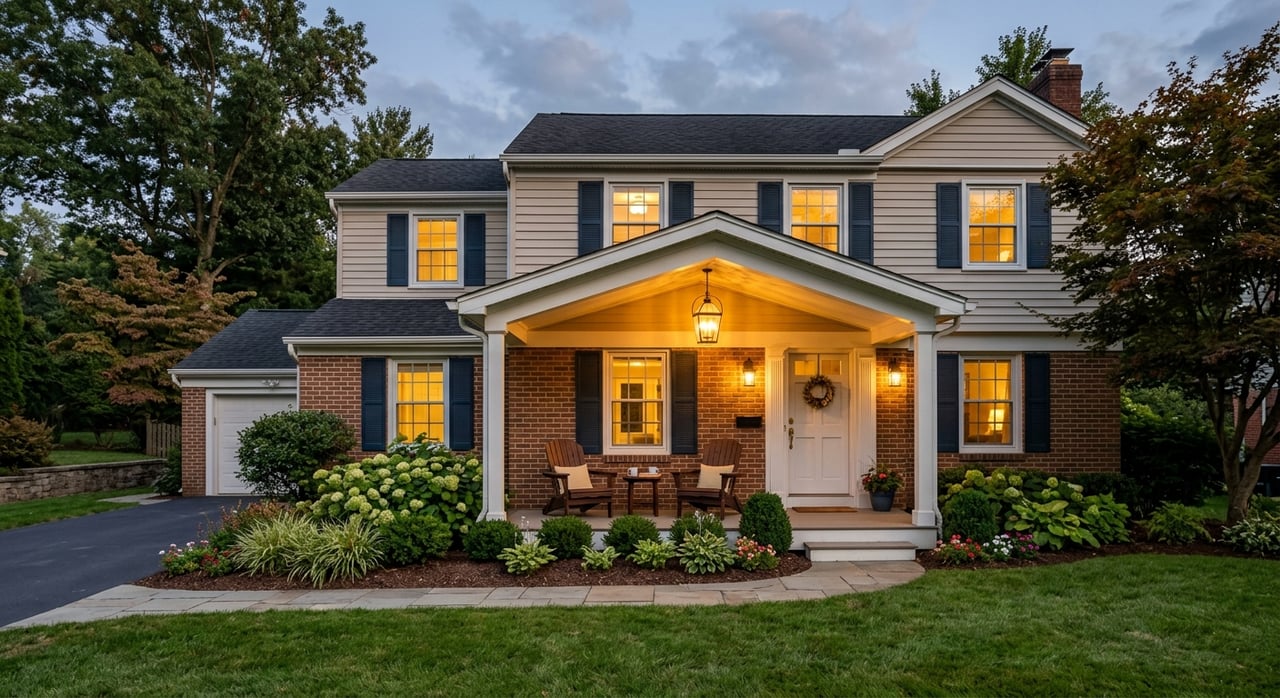
That said, Riverwalk access does not mean you have to choose only one housing style. Mishawaka’s broader housing story includes a mix of older homes, mid-century neighborhoods, newer apartments, and planned subdivisions. That variety gives you more than one way to live near the city center or stay connected to it.
Nearby neighborhoods to know
Downtown riverfront and Ironworks area
If walkability is high on your list, the downtown riverfront area deserves attention first. This is where the Riverwalk, Ironworks Plaza, Beutter Park, and redevelopment activity come together most directly. It offers the most urban-feeling housing choice in Mishawaka, especially if you prefer apartment living close to parks and events.
This area may appeal to you if you want easy access to public spaces and community activity without depending on a long drive for everything. It can also be worth watching if you are interested in how riverfront reinvestment may shape future housing options. For sellers, proximity to these amenities can be an important part of how a home or condo is positioned.
Normain Heights and North Main
North of McKinley Avenue, Normain Heights is identified by the city as a historic district. The city also notes that the neighborhood was built to provide housing for returning World War II veterans. That history points to a postwar residential character centered on single-family homes and neighborhood parks.
If you are drawn to established neighborhoods with a more traditional residential feel, this area may be worth exploring. It offers a different experience from the downtown riverfront but still fits into the broader story of Mishawaka’s housing mix. It is a useful example of how the city includes both historic identity and practical everyday living.
Historic river corridors
The areas along Lincolnway East, Lincolnway West, and Mishawaka Avenue help define Mishawaka’s older architectural identity. The city’s historic sites include Battell Park, Beiger Mansion, the Carnegie Library, the Kamm-Schellinger Brewery site, and several landmark houses in these corridors. If you appreciate older homes and established streetscapes, these areas offer some of the strongest visual ties to the city’s past.
For buyers, this can mean a chance to find distinctive architecture near the city center. For sellers, historic character can be part of what makes a property memorable in the market. It is also important to know that some older homes and districts may fall under preservation review intended to protect historic character.
Cedar Street, Riviera Place, and Edgewater Drive
Cedar Street and Riviera Place are listed by the city as historic districts, and Edgewater Drive appears in the city’s historic sites list as the location of the Smith-Kuharic House. These are helpful reference points if you are searching for older, preservation-minded residential streets near downtown Mishawaka. They add depth to the range of neighborhood settings around the river and city center.
These areas may not offer the same apartment-heavy, mixed-use environment as the downtown riverfront. Instead, they tend to matter more for buyers who value older housing stock, historic context, and a more rooted neighborhood feel. That can be an important distinction when narrowing your home search.
Newer neighborhoods beyond downtown
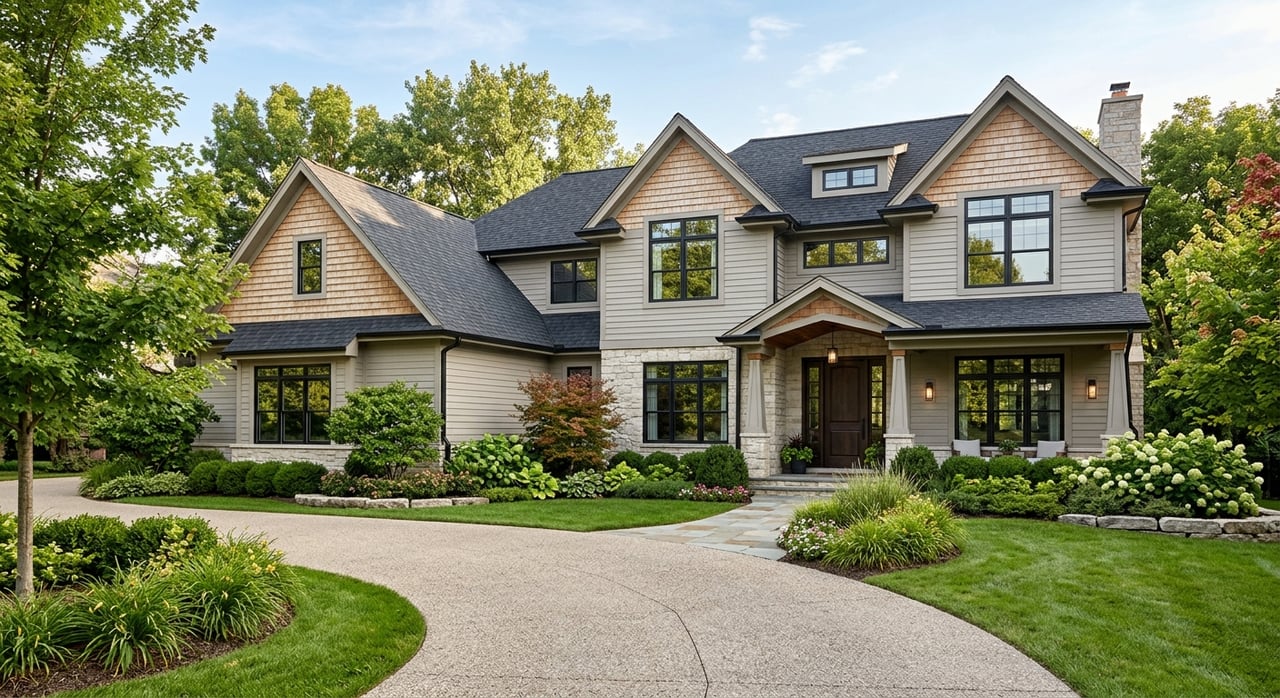
Not every buyer wants to be in the middle of the riverfront district. Mishawaka also includes newer residential areas that the city describes as designed to reflect a hometown neighborhood feel. In practical terms, that supports a broader mix that can include ranch homes, two-story homes, and planned subdivision streets farther from the Riverwalk.
This matters because your ideal fit may come down to tradeoffs. You may want newer construction, a different lot setup, or a quieter residential pattern while still enjoying the Riverwalk as a destination. Mishawaka gives you room to compare those options instead of forcing one lifestyle choice.
What the housing mix says about Mishawaka
Mishawaka’s housing profile supports the idea that this is a balanced small-city market, not a one-note downtown district. The city’s owner-occupied housing rate is 49.3 percent, the median owner value is $155,500, and the median gross rent is $1,070. In addition, 84.2 percent of residents lived in the same house one year earlier.
Those numbers suggest a market with both renters and homeowners, along with a meaningful level of residential stability. For you, that can translate into neighborhoods that feel lived in and established, while still seeing ongoing reinvestment near the riverfront. It also reinforces the idea that Mishawaka can work for different stages of life and different housing goals.
How to choose the right area
When you compare neighborhoods near the Riverwalk, start with how you want your daily routine to feel. If you want to walk to parks, events, and downtown activity, focus first on the downtown riverfront and Ironworks area. If you prefer established single-family neighborhoods, historic streets, or postwar residential character, look more closely at areas like Normain Heights and the older river corridors.
It also helps to think in terms of housing type first. Ask yourself whether you want an apartment, a historic home, a mid-century single-family property, or a newer subdivision-style home. Once that part is clear, the right Mishawaka neighborhood usually becomes easier to identify.
If you are planning a move in Mishawaka, having local guidance can save you time and help you compare options more clearly. Whether you want walkable riverfront living or a more established residential setting nearby, The Atkins Group LLC can help you navigate the Mishawaka market with clear, responsive guidance.
FAQs
Can you live within walking distance of the Mishawaka Riverwalk?
- Yes. The downtown riverfront area near Ironworks Plaza, Beutter Park, and the 100 Center corridor includes apartment living and mixed-use redevelopment close to the Riverwalk.
Is the Mishawaka Riverwalk only used for walking and biking?
- No. The Riverwalk also connects to parks, seasonal events, the farmers market, concerts, and riverfront social spaces in downtown Mishawaka.
What types of homes are near Mishawaka’s Riverwalk?
- The strongest categories include downtown apartments, historic single-family homes, postwar neighborhoods such as Normain Heights, and newer subdivision-style homes in the broader Mishawaka market.
Are there parks near the Mishawaka Riverwalk?
- Yes. Beutter Park, Central Park, and Battell Park all sit along or connect directly to the Riverwalk and offer features like event space, splash amenities, playgrounds, fishing access, and public gathering areas.
Do some older Mishawaka neighborhoods have historic preservation review?
- Yes. The city states that its Historic Preservation Commission oversees local historic site designation and restoration, and some older homes or districts may have review intended to protect historic character.