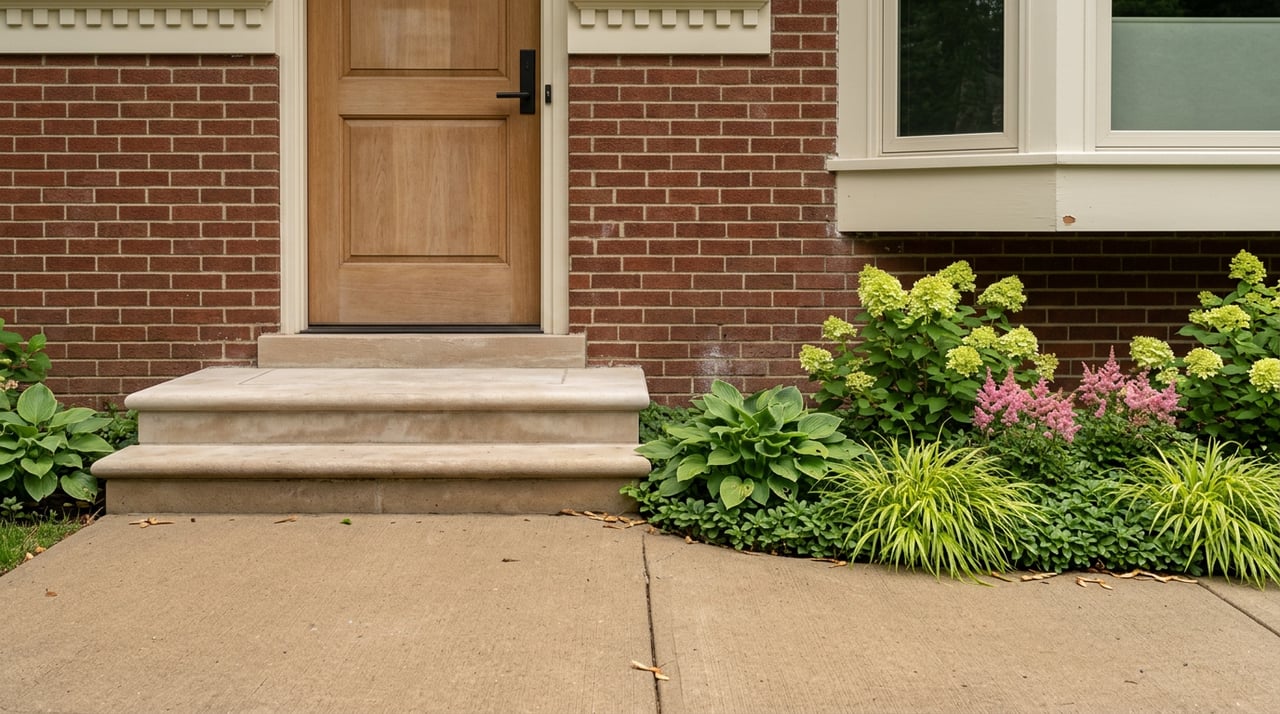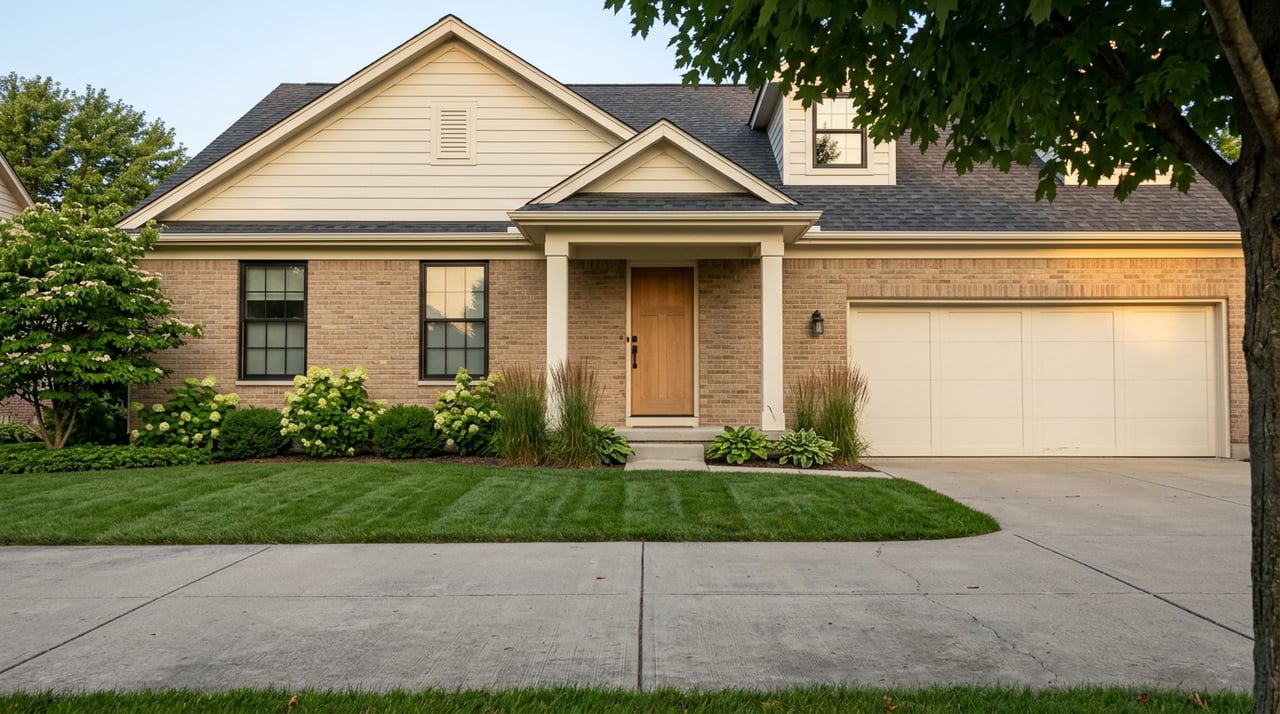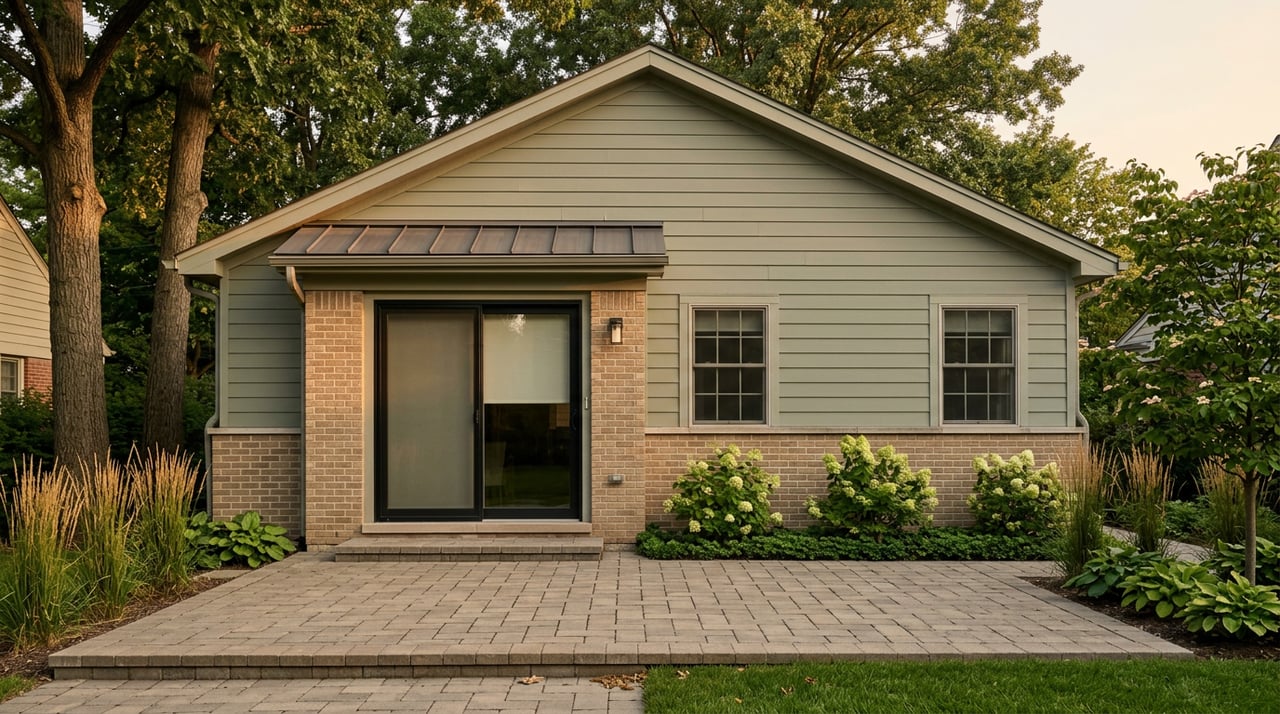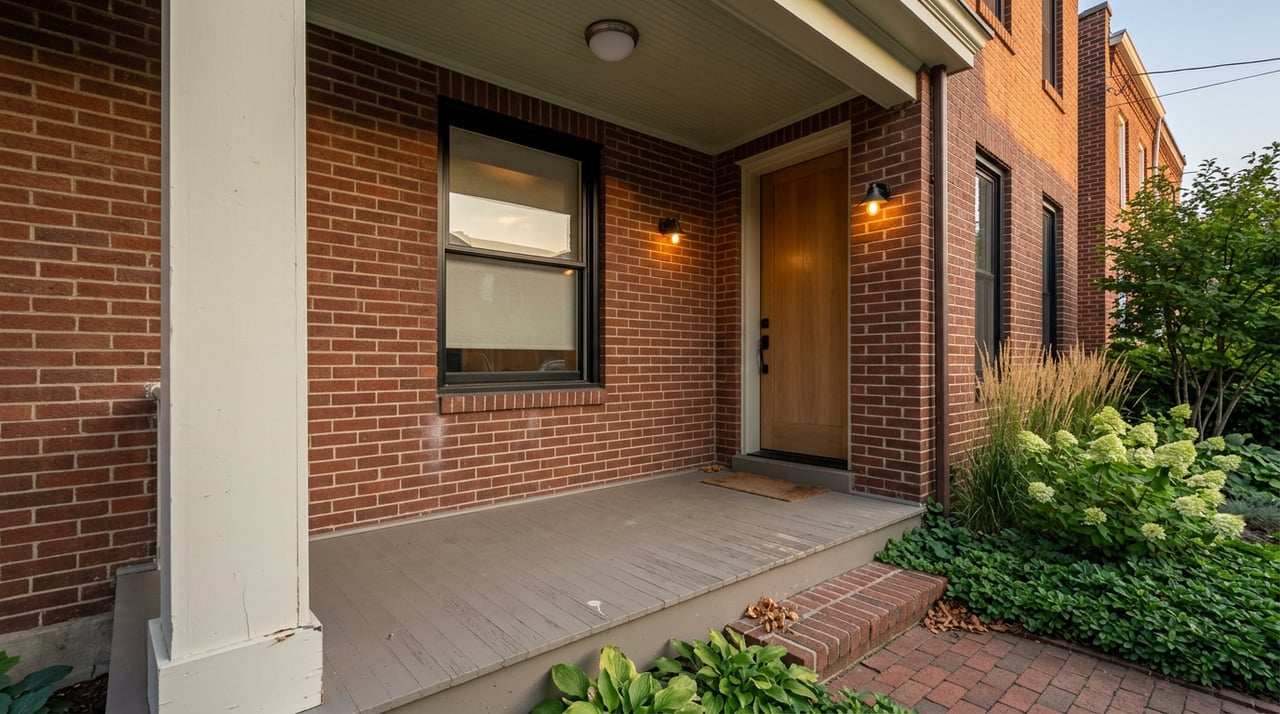
If you are searching for a home from South Bend, it is easy to assume buying in Northern Indiana and Southwest Michigan works the same way. In many ways, it does. But small differences in contracts, county paperwork, and closing costs can affect your timeline and your cash to close. This guide will help you understand what changes when you cross the state line and what to watch before you write an offer. Let’s dive in.
What stays the same
If you buy in Indiana or Michigan, the big-picture process will feel familiar. You will still move through the same core steps: making an offer, working through contingencies, lender underwriting, title work, and closing.
If you are financing the purchase, your lender must provide the Closing Disclosure at least 3 business days before closing. That gives you time to review your final loan terms and closing costs before you sign.
Both Indiana and Michigan also regulate real estate licensees at the state level. That means the agent helping you with a property should be licensed in the state where that home is located. For buyers searching on both sides of the border, that can make a dual-licensed agent especially helpful because it reduces handoff issues and keeps your search moving smoothly.
Why cross-border details matter
The biggest surprises in a South Bend area home search usually do not come from the house itself. They come from the process around the house. A home in St. Joseph County, Indiana, and a home in Berrien County, Michigan, may have a similar price point, but the contract language, county requirements, and closing lines can look different.
That matters because even small procedural differences can affect how quickly you respond to inspections, how title work is handled, and how much money you need at closing. If you are comparing homes in both states, you want to compare the full transaction, not just the list price.
Contract differences to expect
Indiana and Michigan use different forms
The overall structure of a purchase contract is similar in both states, but the local forms are not identical. Indiana materials describe inspection responses, financing deadlines, appraisal issues, and a pre-closing inspection as routine parts of the purchase agreement.
Michigan forms commonly include contingencies related to title, survey, property inspection, land division, and lead paint. That does not mean one state is harder than the other. It means the exact form and wording can shape your deadlines and responsibilities.
Deadlines may not line up
One of the most practical differences is timing. An Indiana offer may follow a different sequence for inspection and financing deadlines than a Michigan offer.
A Michigan offer may also include title and survey language that Indiana buyers are not used to seeing. These are contract-specific details, so it is important to read the actual form being used rather than assuming every offer works the same way.
Closing cost differences to know
Indiana has required disclosure paperwork
In Indiana, a sales disclosure form is required for conveyance documents. The county assessor must review that form before it moves to the county auditor, and the auditor may reject the conveyance if the form is missing or incomplete.
The state instructions list a $10 non-exempt sales disclosure filing fee. In St. Joseph County, the auditor also states that the deed transfer fee is $10 per parcel.
Michigan often includes transfer tax
Michigan’s closing cost picture is different. According to the Michigan Department of Treasury, the county real estate property transfer tax is 55 cents per $500 of value, and the state real estate property transfer tax is $3.75 per $500 of value.
The Treasury also states that the seller or grantor is liable for that tax. Even so, if you are comparing estimated closing figures across state lines, you should expect to see a more visible transfer-tax component in a Michigan transaction than in a typical Indiana closing.
County recording fees can differ
County-level fees also matter. In Berrien County, the Register of Deeds charges a flat $30 recording fee per recordable event.
The county also notes that some deeds may require a tax certificate or transfer-tax documentation. That is another reason a Michigan closing can involve a different set of line items and administrative steps than an Indiana closing.
How to compare homes across state lines
Look beyond the purchase price
If you are torn between a home in Indiana and one in Southwest Michigan, do not compare only the asking price. Ask for a full cash-to-close estimate for each option.
Closing services and related costs can vary by lender, provider, and location. A lower purchase price does not always mean a lower out-of-pocket number on closing day.
Ask for an itemized estimate early
Before you finalize an offer, ask your lender and title company to break out the expected charges. A clear estimate should itemize:
- Transfer taxes
- Recording fees
- Title charges
- Escrow and prepaid items
- County-specific filing fees
This helps you make a cleaner apples-to-apples comparison between homes in Indiana and Michigan. It also gives you fewer surprises later in the process.
Where delays can happen
Most cross-border delays are procedural, not dramatic. The usual pressure points are paperwork completeness, financing, inspection responses, and county processing.
In Indiana, the sales disclosure review adds an administrative step before recording. In Michigan, transfer-tax treatment and county recording requirements can add their own timing considerations.
That does not mean cross-border transactions are unusually risky. It means planning matters. When everyone is aligned early, the process tends to feel much more manageable.
Why dual-state representation helps
When you are house hunting from South Bend, convenience matters. So does consistency. Working with someone licensed in both Indiana and Michigan can make the process easier because the right contract form, fee expectations, and local process can be matched to the property from the start.
That kind of coordination is often the real advantage in a cross-border search. It helps keep your lender, title company, and any legal counsel aligned on the same deadlines and document requirements.
For unusual deed issues or document changes, county offices in both states direct parties to legal counsel rather than drafting legal documents for them. Knowing when to pull in the right professional can save time and reduce stress.
A smart game plan from South Bend
If you are shopping in both Northern Indiana and Southwest Michigan, keep your process simple and structured. Focus on the full cost, the real contract deadlines, and the county-level steps that apply to the home you want.
A strong plan usually looks like this:
- Confirm your agent is licensed in the state where the property is located.
- Review the contract form carefully for that specific state.
- Ask for a full, itemized cash-to-close estimate before finalizing the offer.
- Stay ahead of inspection, financing, and title deadlines.
- Allow for county-specific processing steps before closing.
If you want steady guidance while you compare homes on both sides of the state line, The Atkins Group LLC can help you move forward with a clear plan and responsive support.
FAQs
What is different about buying a home in Indiana versus Michigan from South Bend?
- The overall process is similar, but contract forms, deadlines, county paperwork, and closing cost line items can differ between the two states.
Do you need an agent licensed in both Indiana and Michigan for a cross-border home search?
- Your agent should be licensed in the state where the property is located, so dual-state licensure can make a cross-border search more efficient.
What extra costs should buyers watch for in a Michigan home purchase?
- Michigan closings often include state and county transfer taxes, along with county recording fees and possible transfer-tax documentation requirements.
What paperwork is required for an Indiana home purchase closing?
- Indiana requires a sales disclosure form for conveyance documents, and the county assessor must review it before it goes to the county auditor.
How should South Bend buyers compare Indiana and Michigan homes?
- Compare the full cash-to-close estimate, including transfer taxes, recording fees, title charges, escrow items, and county-specific filing costs, not just the purchase price.