If you want a South Bend lifestyle with more convenience and less windshield time, downtown and the near-campus area deserve a close look. These parts of the city give you a different experience than a typical suburban search, with walkable streets, riverfront access, apartment living, mixed-use districts, and residential blocks near Notre Dame. If you are trying to figure out where the area feels most active, what kinds of homes you will actually find, and whether daily life can be easier without driving everywhere, this guide will help you sort it out. Let’s dive in.
How to Think About the Area
Downtown South Bend is the city’s most urban-feeling pocket. It brings together restaurants, retail, museums, entertainment venues, parks, and apartments in a compact area that is easy to understand once you spend a little time there.
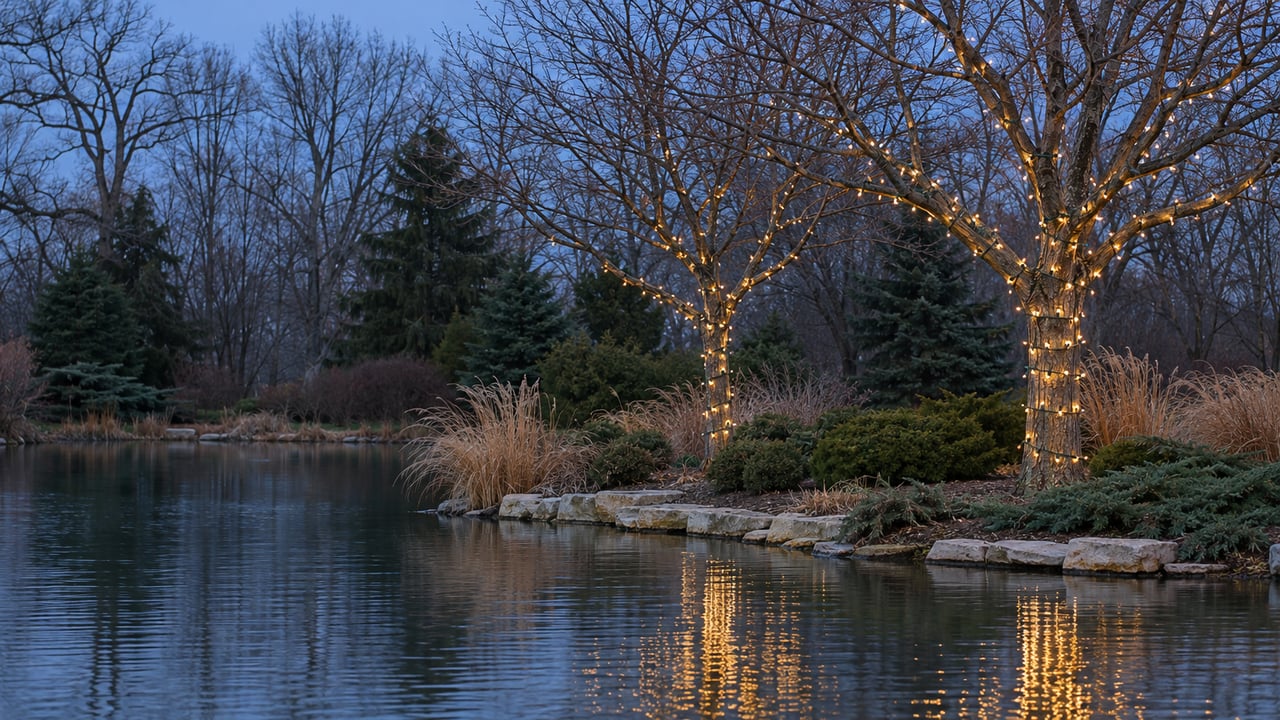
Just beyond downtown, the riverfront adds another layer to daily life. Public spaces near the river, including the River Lights area around Seitz Park and the Century Center island, make this corridor feel part recreation zone and part everyday route for walking and biking.
Closer to Notre Dame, the feel shifts again. Areas like Eddy Street Commons, East Bank Village, and the Northeast Neighborhood create a campus-adjacent environment with a mix of housing, dining, and practical conveniences.
One of the simplest ways to picture it is this:
- Downtown offers the most concentrated urban activity
- The riverfront adds trails, parks, and public gathering space
- The Notre Dame edge blends housing, restaurants, and campus-oriented convenience
Downtown to Notre Dame Access
A big reason this part of South Bend stands out is how directly downtown connects to the campus area. The Link Trail creates a pedestrian and bicycle connection between downtown South Bend and Notre Dame.
The city says the Link Trail is about 1.5 miles long, and a leisurely walk from end to end takes about 30 minutes. That makes it realistic to move between the two areas without needing to get in your car for every trip.
If you like the idea of living in one district and easily enjoying the other, this connection matters. It helps downtown and the near-campus area function more like one broader lifestyle zone rather than two separate destinations.
Housing Types You’ll Find
This is not a one-note housing market. Compared with more single-family-focused suburban areas, downtown and the near-campus corridor offer a wider mix of building types and living setups.
In the downtown core, apartments and converted buildings are common. Notre Dame’s law-school housing guide notes that private developers have renovated historic buildings and added hundreds of apartments to the city center, which helps explain why downtown offers a more urban housing mix.
At Eddy Street Commons, the residential inventory is built into a mixed-use setting. The development includes apartment, townhome, and row-house units along with retail, office space, and restaurants.
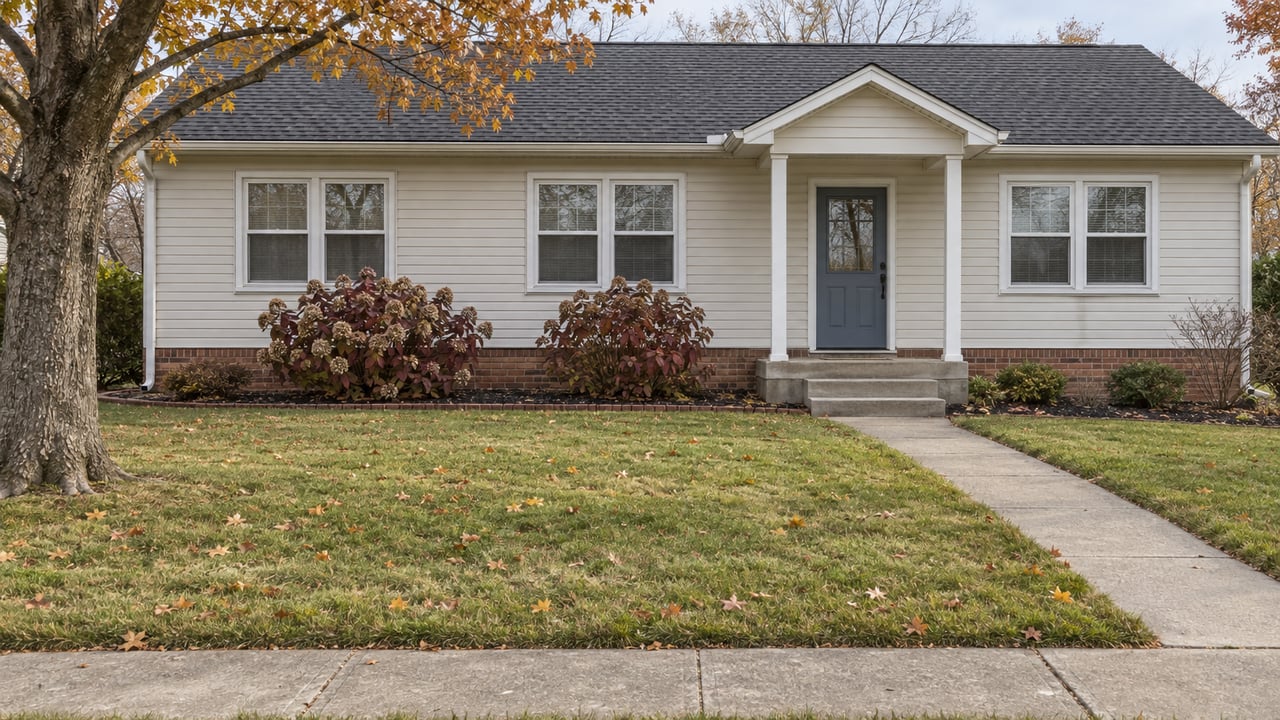
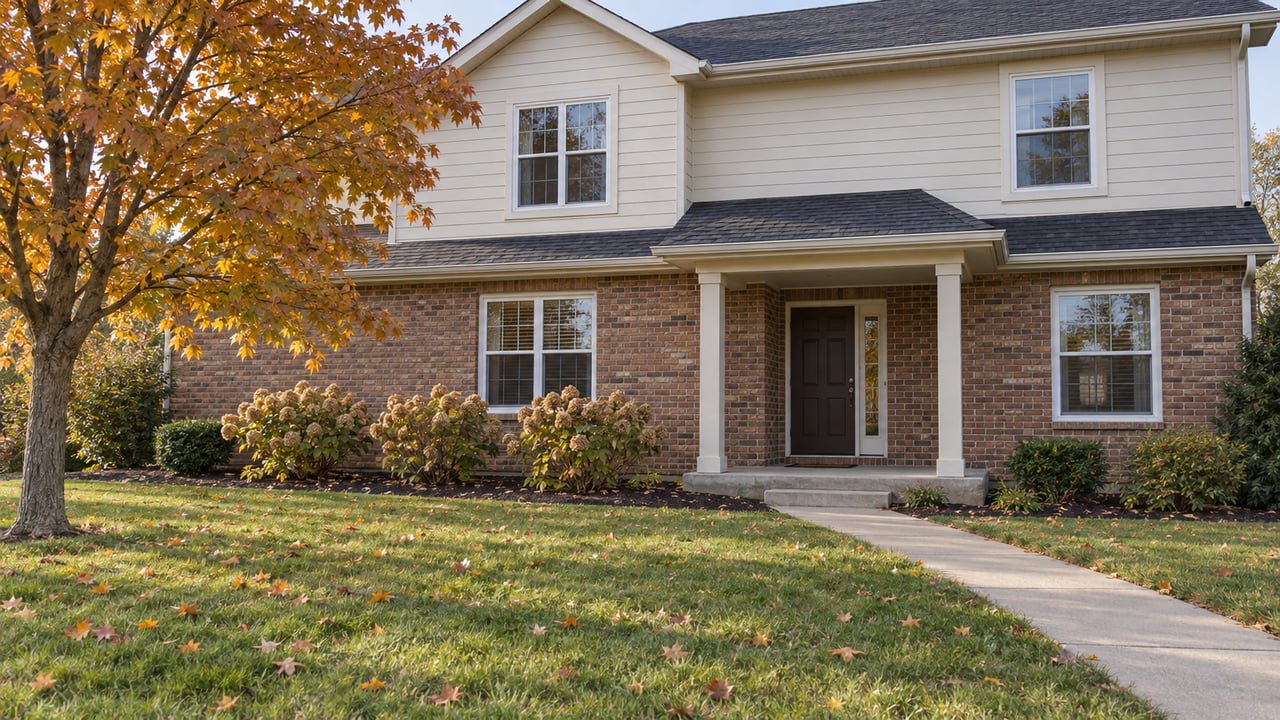
South of campus, the Northeast Neighborhood brings a more traditional homeownership pattern. Notre Dame’s summary of the neighborhood housing effort describes a focus on primary residences and high-quality housing, which contributes to a more residential feel than the busier mixed-use edge near Eddy Street Commons.
If you are looking at nearby rental options, the off-campus market includes everything from studios to larger multi-bedroom units. The overall picture is clear: this area fits people who value proximity, convenience, and housing variety more than large-lot, low-density living.
What Daily Life Feels Like
For many buyers and renters, the biggest draw here is not just the address. It is the routine. You can be close to coffee, dinner, entertainment, events, trails, and campus activity without planning your whole day around driving.
Downtown South Bend has a notably dense dining scene. Downtown South Bend Inc. says the district includes more than 50 restaurants, bars, and cafes, with options ranging from casual to fine dining.
Examples listed in the downtown directory include Cafe Navarre, Chicory Cafe, Fiddler’s Hearth, LaSalle Grill, PEGGS, South Bend Chocolate Cafe, Barnaby’s Pizza, Bruno’s Pizza, Sunny Italy Cafe, and Purple Porch Co-op. That range gives the area a real day-to-night rhythm rather than a limited event-only feel.
Near campus, Eddy Street Commons adds another concentrated dining and shopping node. Notre Dame describes it as a development with restaurants, shops, a bank, a bookstore, office space, and residential units, and its law-school guide says the district has a dozen restaurants.
Arts, Events, and Entertainment
If you want more to do close to home, downtown has a strong mix of cultural and entertainment options for a city its size. Official downtown listings include the Morris Performing Arts Center, South Bend Museum of Art, South Bend Civic Theatre, South Bend Symphony Orchestra, The Music Village, and The Garage Arcade Bar.
The riverfront also adds a distinct local character. River Lights is a signature public-art feature, and downtown sources also point to Howard Park Ice Skating and East Race Rafting as part of the recreation and entertainment mix.
Recurring events help make the area feel active throughout the year. Downtown South Bend promotes events such as First Fridays and Art Beat, with Art Beat described as the largest annual event in downtown South Bend.
For you as a buyer or renter, that means the area can offer more than a home base. It can also offer a built-in calendar of things to do nearby.
Walking, Biking, and Transit
This part of South Bend is one of the best local fits if you want to walk or bike more often. The city says South Bend is a Silver-level Bicycle Friendly Community and notes a 135-mile bikeway plan, with roughly 85 miles of priority bicycle routes established by mid-2022, including protected bike lanes downtown.
The Link Trail strengthens that network by directly connecting downtown and Notre Dame. On the campus side, Notre Dame also offers more than 30 miles of trails, which adds even more options for recreation and everyday movement.
Transit access is strongest downtown. Transpo’s South Street Station serves as the main hub, and Route 7 connects South Street Station, Notre Dame Stadium, Notre Dame Library, University Park Mall, and Mishawaka.
Route 4 adds access between South Street Station, Memorial Hospital, the South Shore Line, South Bend International Airport, and the LaSalle Branch Library. If your routine includes commuting, airport trips, or occasional regional travel, those connections can be useful.
The city’s transportation guide also identifies the South Shore Line as the commuter rail line between Millennium Station in downtown Chicago and South Bend International Airport. For some residents, that adds a practical regional travel option beyond day-to-day local movement.
Do You Need a Car?
The short answer is not always. In downtown and near campus, many errands, meals, and outings can be handled on foot, by bike, or with transit, depending on your exact block and routine.
That said, convenience still varies by location and schedule. Some people will still prefer a car for work, grocery trips, or traveling beyond the core neighborhoods, but these areas offer more flexibility than many other parts of the local market.
Parking is also more manageable than some buyers expect. Downtown South Bend says free two-hour parking is available in city-owned garages and on most downtown streets, and parking around River Lights is free after 5:00 p.m. and on weekends.
A Quick Note on Trail Access
If riverfront access is high on your list, it is smart to check current conditions as you narrow your search. The city announced on June 2, 2026, that East Race Riverwalk improvements are underway, with portions of the East Bank Trail near Seitz Park closed during construction through May 2027.
That does not change the area’s overall appeal, but it may affect your preferred route or daily routine in the near term. If walkability and trail access are a major priority for you, small location differences can matter.
Who This Area Fits Best
Downtown and the near-campus corridor tend to fit people who want convenience and activity close by. If you like the idea of shorter trips, mixed-use surroundings, and easy access to restaurants, events, and the riverfront, this part of South Bend is worth serious consideration.
It can be a strong fit if you are:
- Looking for apartment, townhome, row-house, or mixed-use housing options
- Interested in a more walkable or bikeable routine
- Wanting easy access between downtown and Notre Dame
- Comfortable with a denser setting than a typical suburban neighborhood
- Comparing residential areas based on lifestyle as much as square footage
For buyers especially, this is the kind of area where block-by-block guidance matters. The housing types, street feel, and access points can change quickly from one section to the next, so having a clear local strategy can save you time and help you focus on the right options.
If you are weighing downtown South Bend or the near-campus area, working with a local broker who knows how these micro-markets differ can make the process a lot clearer. For straightforward guidance on buying or selling in South Bend and across Michiana, connect with The Atkins Group LLC.
FAQs
How far is downtown South Bend from Notre Dame?
- The Link Trail is about 1.5 miles long, and the city says a leisurely walk between downtown and Notre Dame takes about 30 minutes.
What housing types are common in downtown South Bend and near campus?
- Common options include apartments, renovated historic buildings, mixed-use residential units, townhomes, row houses, and some single-family homes south of campus.
Is Eddy Street Commons in South Bend mainly residential or mixed-use?
- Eddy Street Commons is a mixed-use district with restaurants, shops, office space, and residential units including apartments, townhomes, and row houses.
Can you live near downtown South Bend without driving every day?
- In many cases, yes. Walking, biking, transit, and nearby amenities can reduce car dependence, although the answer still depends on your exact location and commute needs.
What is there to do in downtown South Bend close to home?
- The area offers restaurants, cafes, museums, theaters, public art, seasonal recreation, riverfront amenities, and recurring events such as First Fridays and Art Beat.