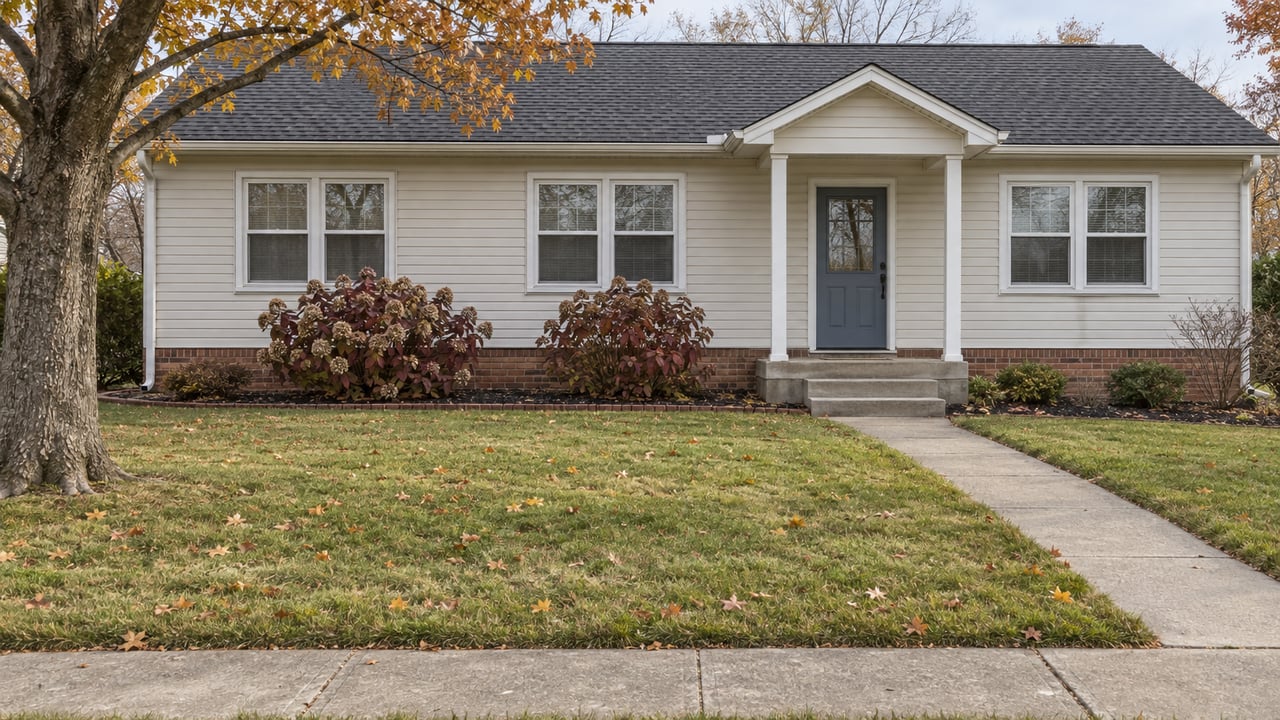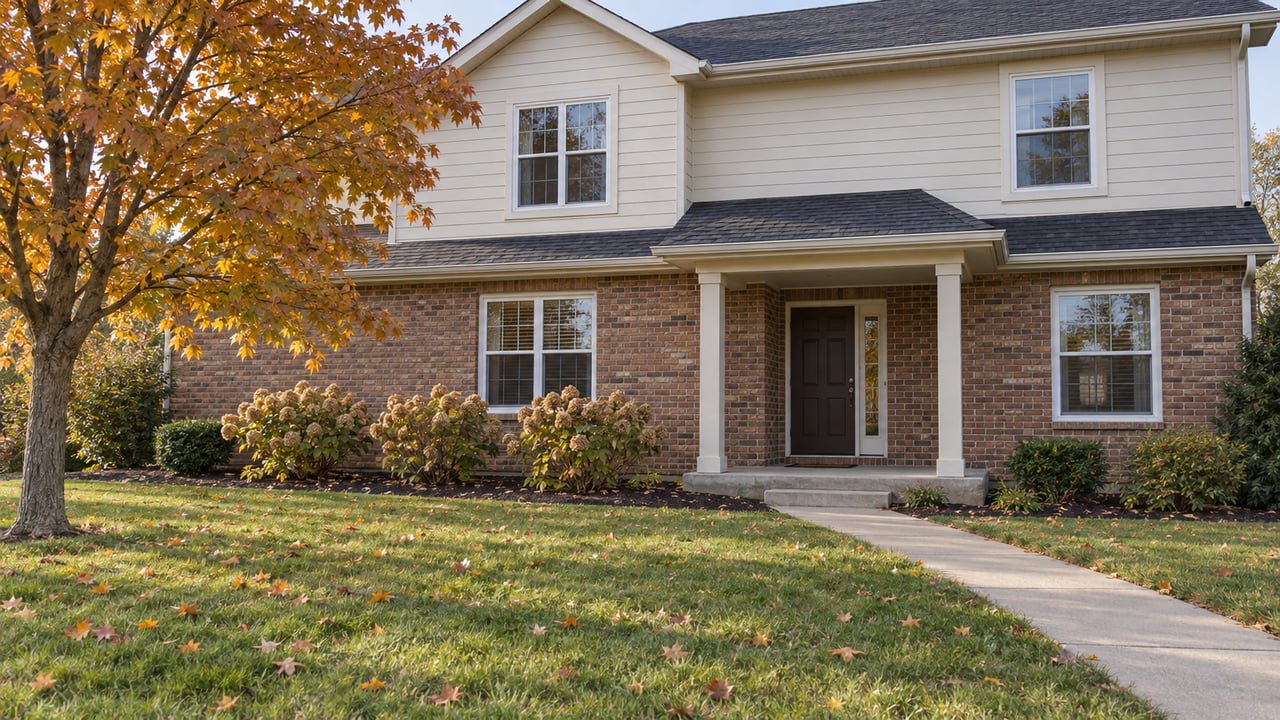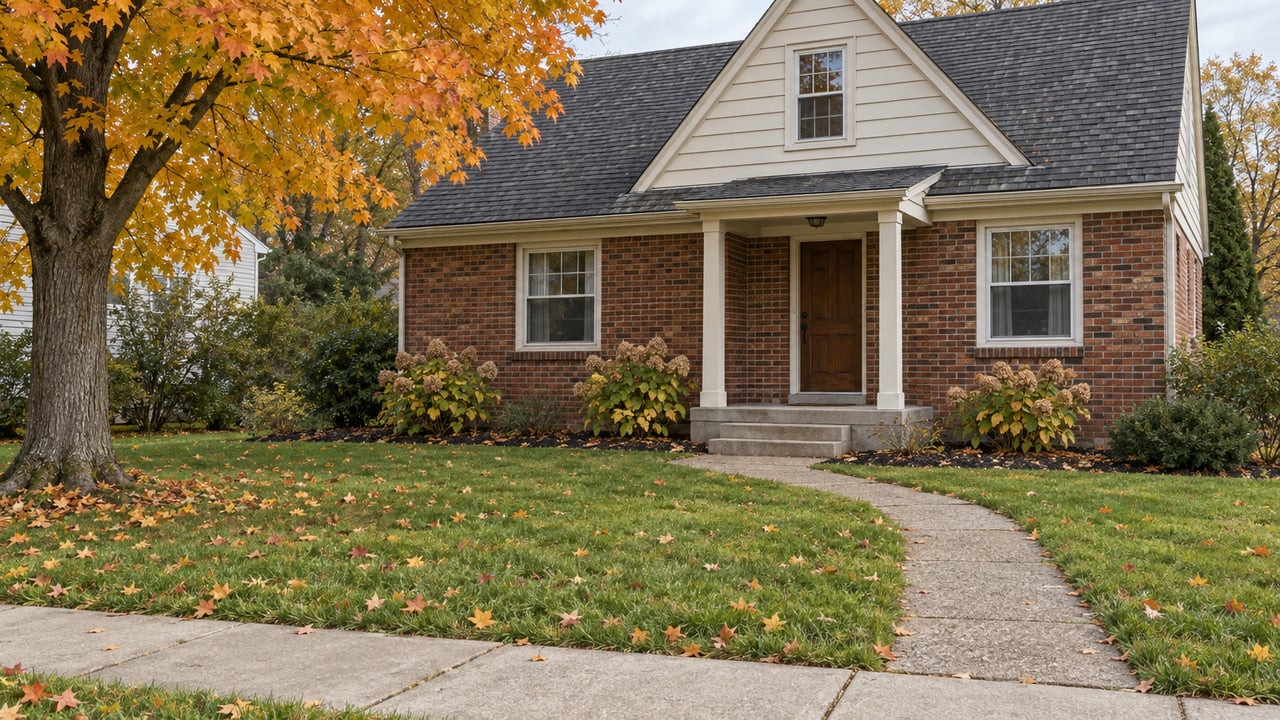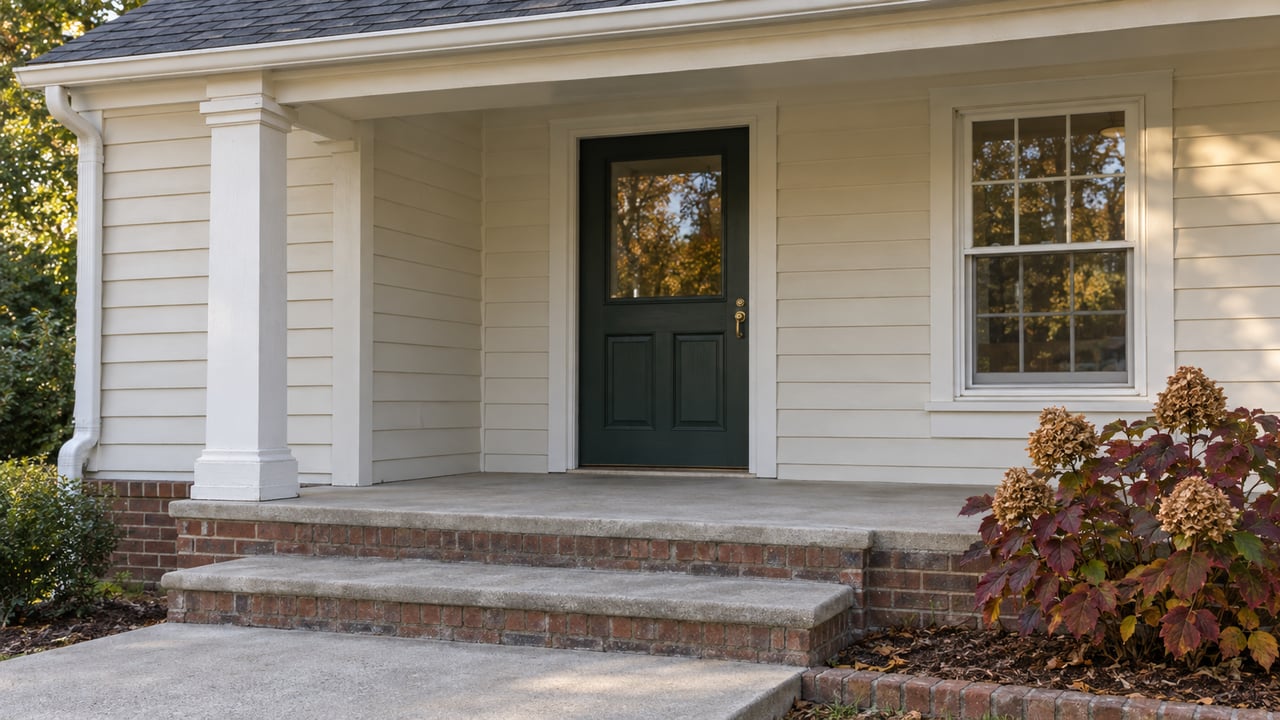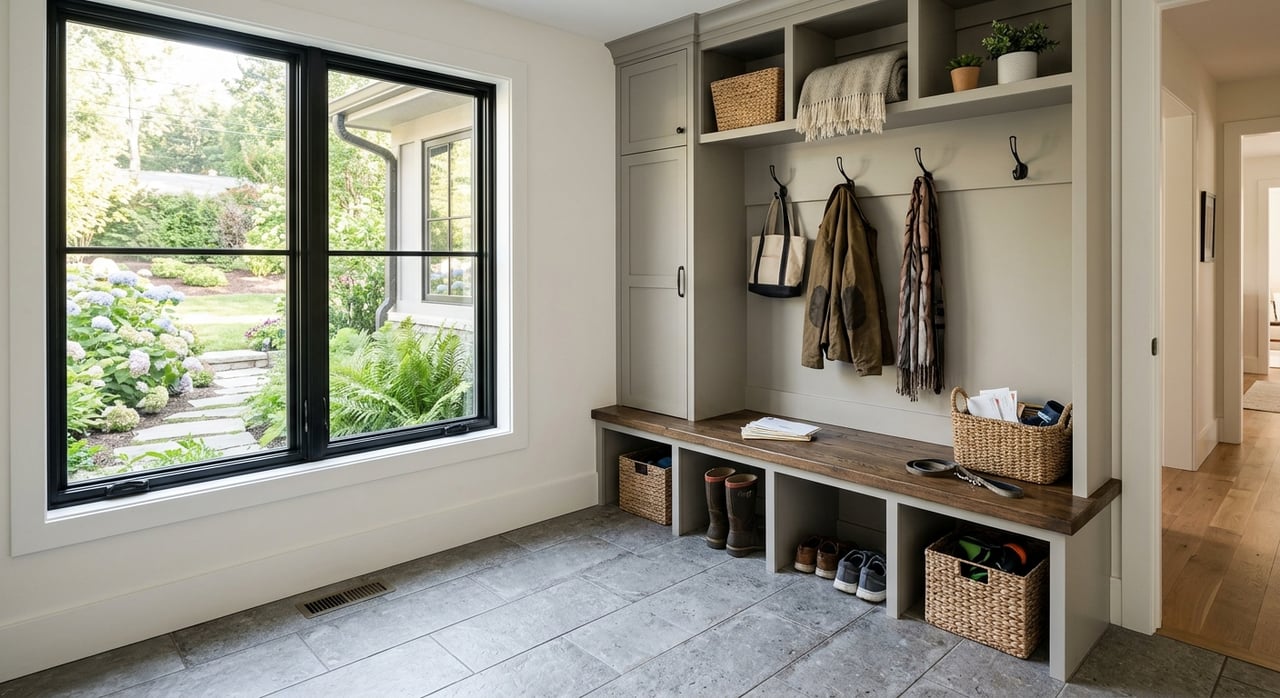
Selling your home in Mishawaka can feel simple at first, right up until the details start stacking up. You have to think about pricing, prep, showings, paperwork, inspections, and closing timelines, often all at once. The good news is that when you understand the steps ahead of time, you can make better decisions and avoid last-minute surprises. Let’s walk through the home-selling process step by step.
Understand the Mishawaka market
Before you list, it helps to know what kind of market you are stepping into. In St. Joseph County, the February 2026 market report showed a median sale price of $217,000, median days on market of 18, and homes selling for 95.7% of list price. The March 2026 dashboard showed 1.6 months of inventory, a median sale price of $247,500, and a sale-to-list ratio of 97.8%.
What does that mean for you as a seller? It means buyers are active, but they are still watching price and value closely. A home that is priced well and presented well can move, but it is smart to avoid assuming every listing will sell quickly or at full asking price.
Start with a pricing strategy
Pricing is one of the first major decisions you will make, and it should be based on buyer behavior, not guesswork. Local county data shows that sale-to-list ratios can be close, but not automatic, which tells you that the starting price matters.
If you price too high, you may lose valuable early attention when your listing is new. If you price more in line with the market, you put yourself in a better position to attract serious buyers and stronger offers. In a market like Mishawaka, pricing is a strategy, not a placeholder.
Prepare your home before listing
A strong start can help you stay ahead once showings begin. That means handling the items you can control before your home goes live, including condition, presentation, and paperwork.
Early prep also gives you more flexibility if a buyer moves quickly. Since local homes can go pending within weeks, being organized up front can make it easier to respond to offers, inspections, and deadlines without scrambling.
Focus on the basics first
Start with the visible issues that affect a buyer’s first impression. Clean thoroughly, reduce clutter, and take care of small maintenance items you have been putting off. Even simple updates can help buyers focus on the home itself rather than a list of distractions.
You should also make access easy for photos and showings. The smoother the property looks and feels from day one, the better your chances of creating momentum early.
Gather key property information
Indiana requires sellers of 1 to 4 unit residential property to complete the Seller’s Residential Real Estate Sales Disclosure form and provide it to the buyer before an offer is accepted. The form should include the parcel number, full property address, tax billing address, and legal description.
That is why it helps to assemble these details before listing. If information is missing or delayed, it can create avoidable stress once you are negotiating with a buyer.
Get your paperwork ready early
The paperwork side of selling is easy to underestimate. In reality, it is one of the main reasons deals get delayed near the finish line.
Indiana’s sales disclosure instructions explain that the county assessor verifies and stamps the form before it goes to the county auditor, and the auditor may not accept the conveyance if required portions are incomplete or not properly stamped. If parties disagree on the disclosure information, the state instructions also allow each party to file a separate form.
Know the county filing pieces
For a typical sale in Indiana, the state lists a $20 sales disclosure filing fee paid to the county auditor. In St. Joseph County, the Auditor’s office notes a deed transfer fee of $10 per parcel, and the recorder charges $25 for deeds and other documents.
St. Joseph County also allows eRecording for all document types, including transfer documents moving between the Recorder, Auditor, and Assessor. That local process detail matters because coordinated document handling can help keep your closing on track.
List your home and manage showings
Once your home is ready and the paperwork is in motion, your listing enters the most visible phase of the sale. This is where pricing, presentation, and responsiveness all start working together.
Showings can come quickly when a home is priced appropriately and looks ready for the market. Try to keep the home clean, accessible, and easy to view, because buyer interest is often strongest when the listing is fresh.
Review offers carefully
The highest offer is not always the strongest one. Price matters, but so do financing terms, inspection terms, timing, and the buyer’s overall ability to close.
A good review process looks at the full picture, including proposed closing date, contingencies, and whether the buyer may ask for credits or repairs later. Looking beyond the top number can help you choose the offer that puts you in the best position to actually reach the closing table.
Expect inspections and negotiations
Many sellers worry when the inspection phase begins, but inspections are a normal part of the transaction. The Consumer Financial Protection Bureau explains that buyers usually schedule a home inspection as soon as possible so they have time to resolve issues, and that an inspection is different from an appraisal.
If the inspection finds major problems, the buyer may negotiate based on the contract terms. That does not automatically mean the deal is falling apart. It usually means the next round of decision-making has started.
Common ways to respond
In simple terms, sellers often respond to inspection requests in one of three ways:
- Make the repair
- Offer a credit
- Adjust the price
The CFPB also notes that sellers sometimes contribute to closing costs instead of making repairs or lowering the price, depending on the contract and local conditions. Keeping your response practical and timely can help the transaction keep moving.
Watch for appraisal and lender delays
Even after you accept an offer, there are still a few moving parts between contract and closing. If the buyer is financing the purchase, the lender will usually require an appraisal, and in some cases repairs may be needed before funding.
This is one reason the post-offer phase can still take several weeks, even when the home went under contract quickly. Inspection resolution, appraisal review, underwriting, and document timing can all affect the final schedule.
Understand the closing timeline
Closing is the last major step, but it is not just one appointment on a calendar. It is a process that includes final figures, document review, signatures, and county recording.
The CFPB explains that lenders must provide the Closing Disclosure at least three business days before consummation. If certain major changes make loan terms inaccurate, a new three-business-day waiting period can apply.
What sellers should expect at closing
Closing costs can include taxes and other government fees tied to transferring the property and recording documents. For financed transactions, the Closing Disclosure is the main document that outlines many of these costs.
The CFPB also notes that closing can take several weeks if signatures from the parties are collected separately. In other words, once you accept an offer, you should still plan for a multi-step process rather than a straight line to closing day.
Keep the full sale on track
The sellers who feel most in control are usually the ones who prepare early and respond quickly. That means having your disclosure information ready, understanding your pricing strategy, staying flexible during inspections, and keeping an eye on closing deadlines.
In Mishawaka, a well-prepared seller is in a better position to move from listing to closing with fewer surprises. With steady guidance and a clear process, you can make each stage more manageable and make stronger decisions along the way.
If you are thinking about selling in Mishawaka or anywhere in St. Joseph County, working with a responsive, detail-focused team can make the process much easier to navigate. The Atkins Group LLC offers professional, timely guidance to help you prepare, price, market, and manage your sale from start to finish.
FAQs
What is the first step to selling a home in Mishawaka?
- The first step is usually understanding your local market position and creating a pricing strategy based on current buyer activity, condition, and comparable sales.
What paperwork do Indiana home sellers need before accepting an offer?
- Indiana generally requires sellers of 1 to 4 unit residential property to complete the Seller’s Residential Real Estate Sales Disclosure form before an offer is accepted.
How long does it take to sell a home in St. Joseph County?
- Recent St. Joseph County data showed median days on market of 18 in February 2026, but the full timeline can still stretch several more weeks due to inspections, appraisal, underwriting, and closing steps.
What happens if a buyer’s home inspection finds problems?
- A buyer may ask for repairs, a credit, or a price adjustment if the contract allows it, and those requests are a normal part of many transactions.
What county fees are involved in a St. Joseph County home sale?
- For a typical sale, Indiana lists a $20 sales disclosure filing fee, while St. Joseph County notes a $10 deed transfer fee per parcel and $25 recorder fee for deeds and other documents.
What does the Closing Disclosure mean in a financed home sale?
- The Closing Disclosure is the document that outlines major closing costs and loan-related details, and lenders must generally provide it at least three business days before consummation.