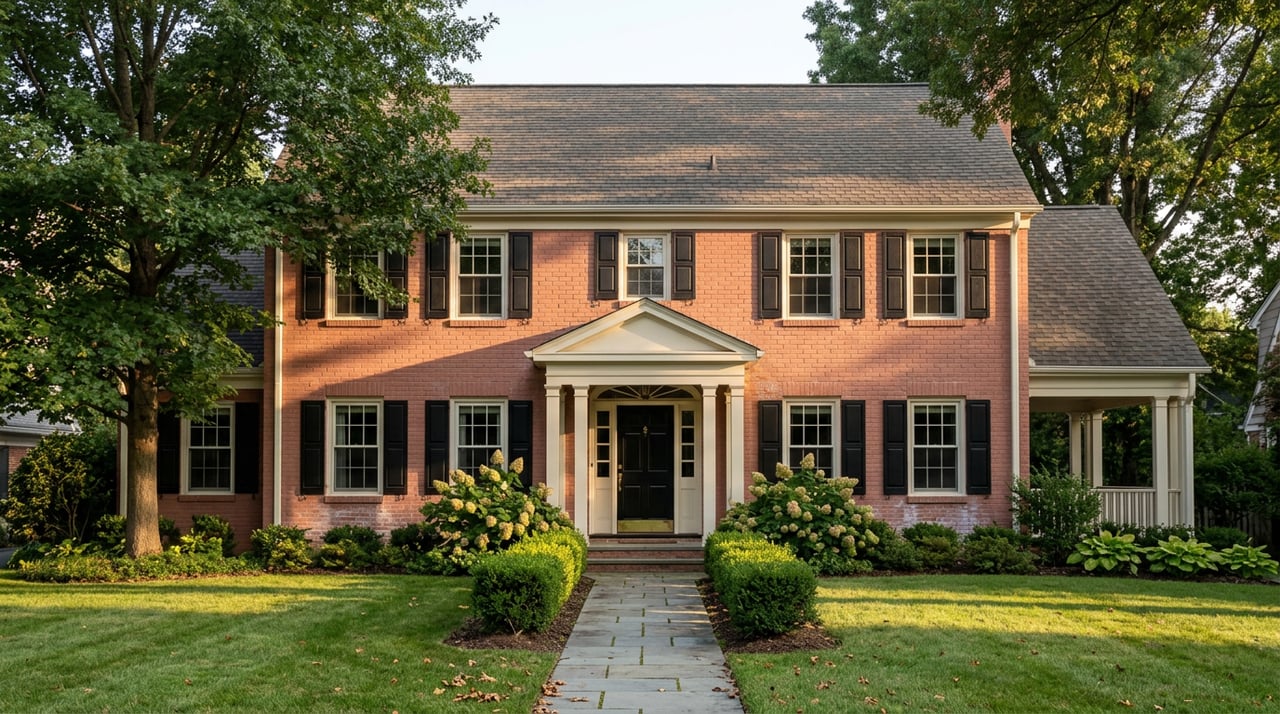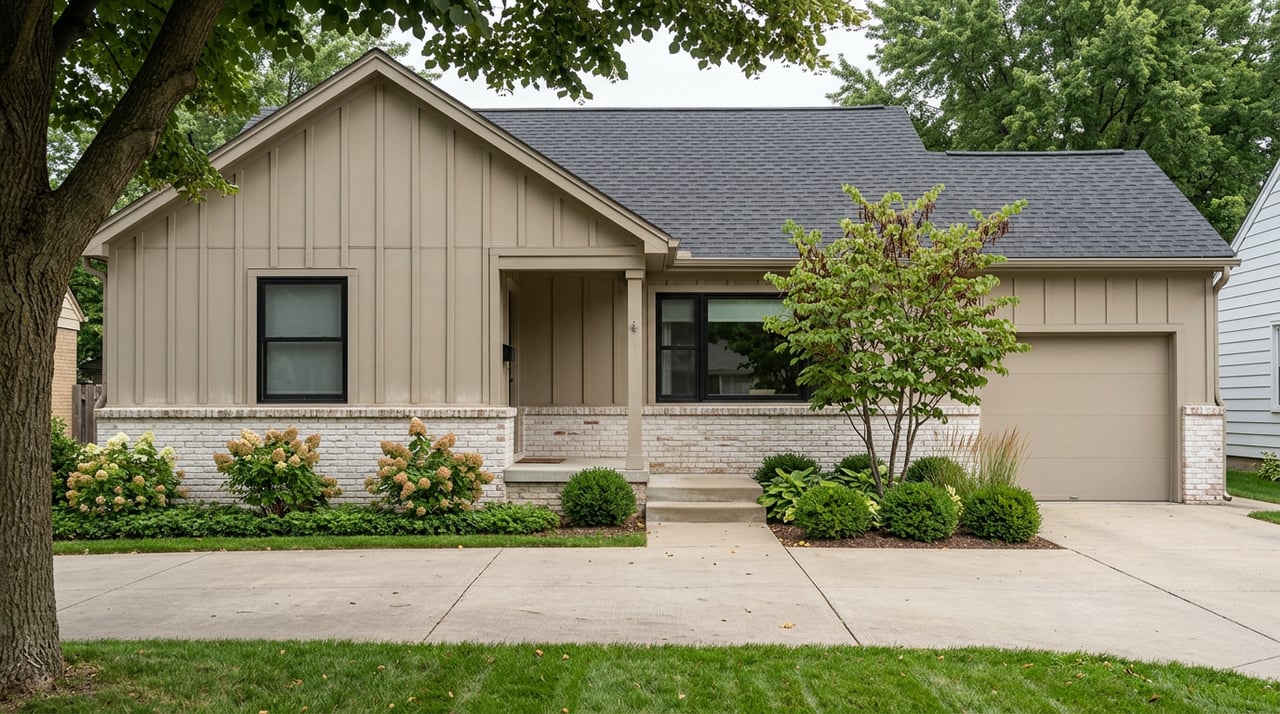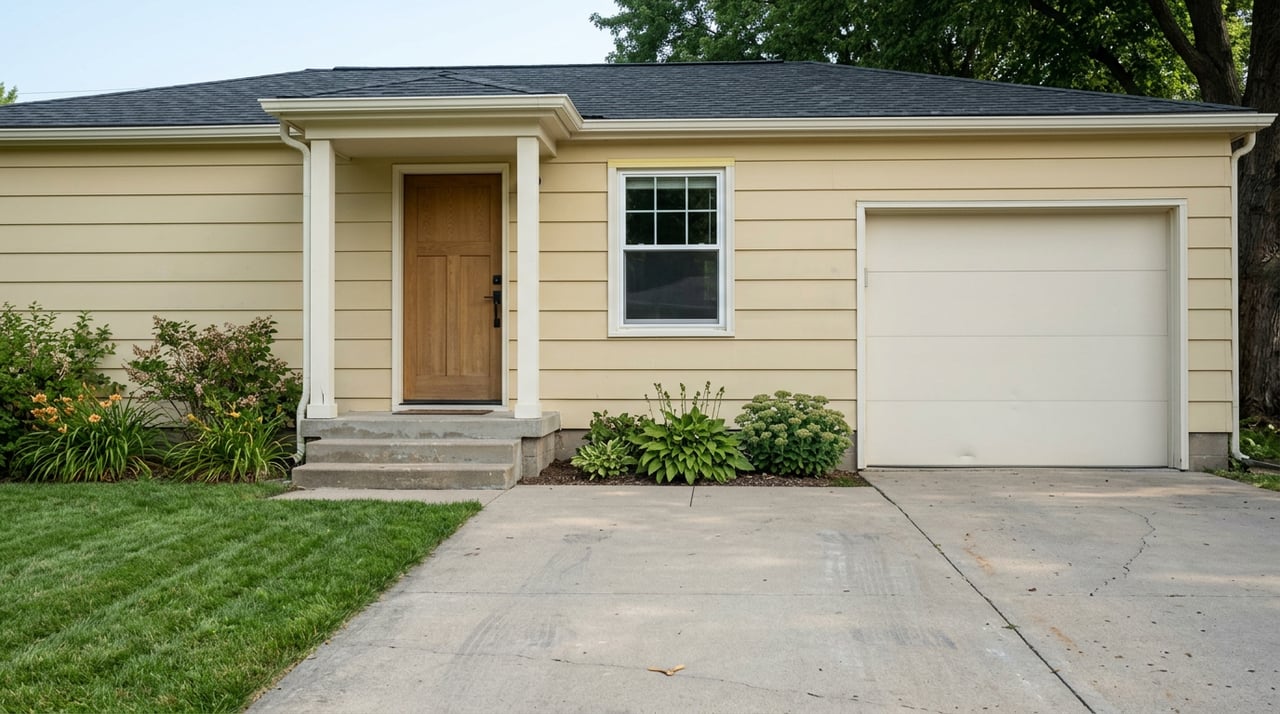
Say you just won a bidding war on a craftsman bungalow near Battell Park. Four other offers came in that weekend, yours cleared list price by twelve thousand dollars, and the sellers picked you within forty-eight hours. You've mentally moved in. You've picked a wall color for the kitchen. Then, three weeks later, your lender calls: the appraisal came back under your contract price.
This is not a rare glitch. It's a predictable outcome of a market where price growth is outrunning the data appraisers are required to use, and Mishawaka right now is a near-perfect example of why.
Two Numbers, One City
Ask two different sources how hot the Mishawaka market is and you'll get two different answers, both defensible, both current.
| Source | Metric | Figure |
|---|---|---|
| Redfin | Median sale price, 3 months ending May 2026 | $225,000, up 21.5% year over year |
| Redfin | Average days on market | 21 days |
| Zillow | Average home value (ZHVI), as of June 30, 2026 | $217,102, up 5.2% year over year |
| Zillow | Time to pending | About 8 days |
Both figures are real. They diverge because they're measuring different things. Redfin's median sale price tracks what actually closed, which skews toward whatever mix of homes happened to sell that quarter, while Zillow's value index smooths across the whole housing stock to estimate typical value regardless of what sold. One counts the full sale-to-close timeline, the other counts only the sprint from listing to accepted offer.
For a buyer, the gap between those two numbers isn't academic. It's the same gap an appraiser has to navigate. An appraisal leans on recent, comparable closed sales, the Redfin side of that table, not on a smoothed index. When the pool of recent comparable closings is thin, or skewed by a handful of well-above-list sales, the appraiser is working with less certainty than a 21.5% headline suggests.
Why the Ranking Made This Worse
The South Bend-Mishawaka metro area went from the Wall Street Journal and Realtor.com's number 15 housing market in 2025 to their number 1 pick for spring 2026. That's not a gradual climb. It's a jump that pulled in national attention, out-of-area buyers, and a wave of competition inside a single housing cycle.
Jen Arizmendi, the 2026 president of South Bend Area Realtors, framed the appeal plainly when the ranking came out, pointing to the region's combination of affordability, quality of life, and accessible pathways to homeownership. That combination is real. It's also exactly what draws in enough new demand to outpace the supply of recent, reliable comps an appraiser needs.
Local industry leaders have been saying as much out loud. At a meeting covered by WNDU in late July 2026, Steve Smith, owner and broker at Irish Realty, described a roughly $50,000 gap between what homes cost in the South Bend-Mishawaka market and what buyers can actually afford, a gap he said is leaving some families without options. Paul Phair, vice president of development at Holladay Properties, raised a related concern about parking and infrastructure struggling to keep pace with new housing density. Renovation projects like Beacon Heights Apartments are part of the response, but new supply takes time to show up in the comp data appraisers rely on today.
Put those two pressures together, rising demand and lagging supply of usable comps, and you get a market where the accepted offer and the appraised value can genuinely part ways, even on a totally ordinary listing.
What Indiana's Purchase Agreement Actually Says When the Number Comes Back Low
Indiana handles this differently than some states, and it catches people off guard. There isn't a standalone appraisal contingency sitting in its own box on the contract. Instead, the appraisal is folded into the financing period, the window your purchase agreement sets for securing loan approval. If the lender can't approve the loan at the contract price within that window because the appraisal came in low, you generally have a path to renegotiate the deal or exit it while protecting your earnest money.
The catch is timing. That financing window moves on its own clock, and once the appraisal report lands, both sides need to act before it closes. Waiting to see what happens is, in practice, a decision to run out the clock.
When a home does appraise low, there are four realistic paths forward:
- The seller lowers the price to match the appraised value. This is the cleanest fix and the one most likely to happen when the gap is small.
- Both sides split the difference. The seller comes down partway and the buyer brings extra cash to cover the rest, provided the buyer actually has that cash available.
- The buyer covers the full gap out of pocket. This only works if a buyer built appraisal gap coverage into the offer up front, agreeing in writing to pay some or all of a shortfall up to a cap they set.
- Either side requests a Reconsideration of Value. This is a formal request, submitted through the buyer's lender, asking the original appraiser to revisit their conclusion in light of new evidence, better comparable sales, a factual error, or an improvement the appraiser missed.
None of these paths are automatic. Somebody has to notice the deadline, gather the right comps, and make the ask in time.
The Difference Between What Your Agent Tells You and What the Appraiser Decides
There's a distinction worth understanding before you ever write an offer, and it comes from someone who sits on both sides of it. Sue VanLeeuwen, a lifelong Mishawaka resident who has worked as an Indiana Certified Residential Appraiser for 25 years and also holds an Indiana broker's license, makes a point of separating two documents that get confused constantly: a comparative market analysis and a purchase appraisal.
A CMA, the kind of pricing analysis an agent runs, looks at what similar homes are asking and selling for in order to help a seller land on a competitive list price. It's built to reflect the market as it's moving right now. A purchase appraisal exists for a different reason entirely: it protects the lender's collateral, and it has to be supported by closed, verifiable sales, not asking prices or momentum.
That difference matters most in a fast-moving market like Mishawaka's. Your agent's CMA can accurately tell you that a home is worth what you're offering, based on everything happening in real time. The appraiser is required to look backward at what's already closed. In a market accelerating the way this one is, those two views can legitimately disagree, and the appraisal is the one your lender has to honor.
That's worth sitting with before you write an offer that stretches past list price. A confident CMA and a strong showing weekend tell you what buyers are willing to pay right now. Neither one is the document your lender is going to read.
What This Means If You're Under Contract This Fall
If you're actively buying in Mishawaka, a few things are worth settling before you're staring down a low appraisal with a ticking clock:
- Know your contract's financing approval deadline exactly, not approximately, before you're mid-negotiation.
- Decide your walk-away number in advance if you're considering appraisal gap coverage, and put a cap on it in writing.
- Ask your agent to pull the actual closed comps behind your offer, not just what's currently listed or pending.
- If the appraisal comes back low, move on a Reconsideration of Value quickly if you have real grounds, since the financing window won't wait.
A Short FAQ
Does every Indiana purchase agreement include a financing contingency period? Financing terms are negotiated per contract, so the exact language and deadline can vary. The point to confirm is what your specific agreement says and when that window closes.
What is a Reconsideration of Value, exactly? It's a formal request submitted through your lender asking the original appraiser to review their conclusion, typically because of stronger comparable sales, a factual error in the report, or an improvement to the property that was missed.
Is a low appraisal more likely on a home that just sold above list price? It's not guaranteed either way, but a sale price that outpaces recent closed comps gives an appraiser less to point to in support of that number, which is exactly the situation a market accelerating as fast as Mishawaka's tends to create.
If you're weighing an offer in this market, or wondering whether your own home would hold up under a lender's appraisal right now, Joey Atkins can walk through your specific contract terms and the comps behind them before you're the one on the clock. Work With Joey.